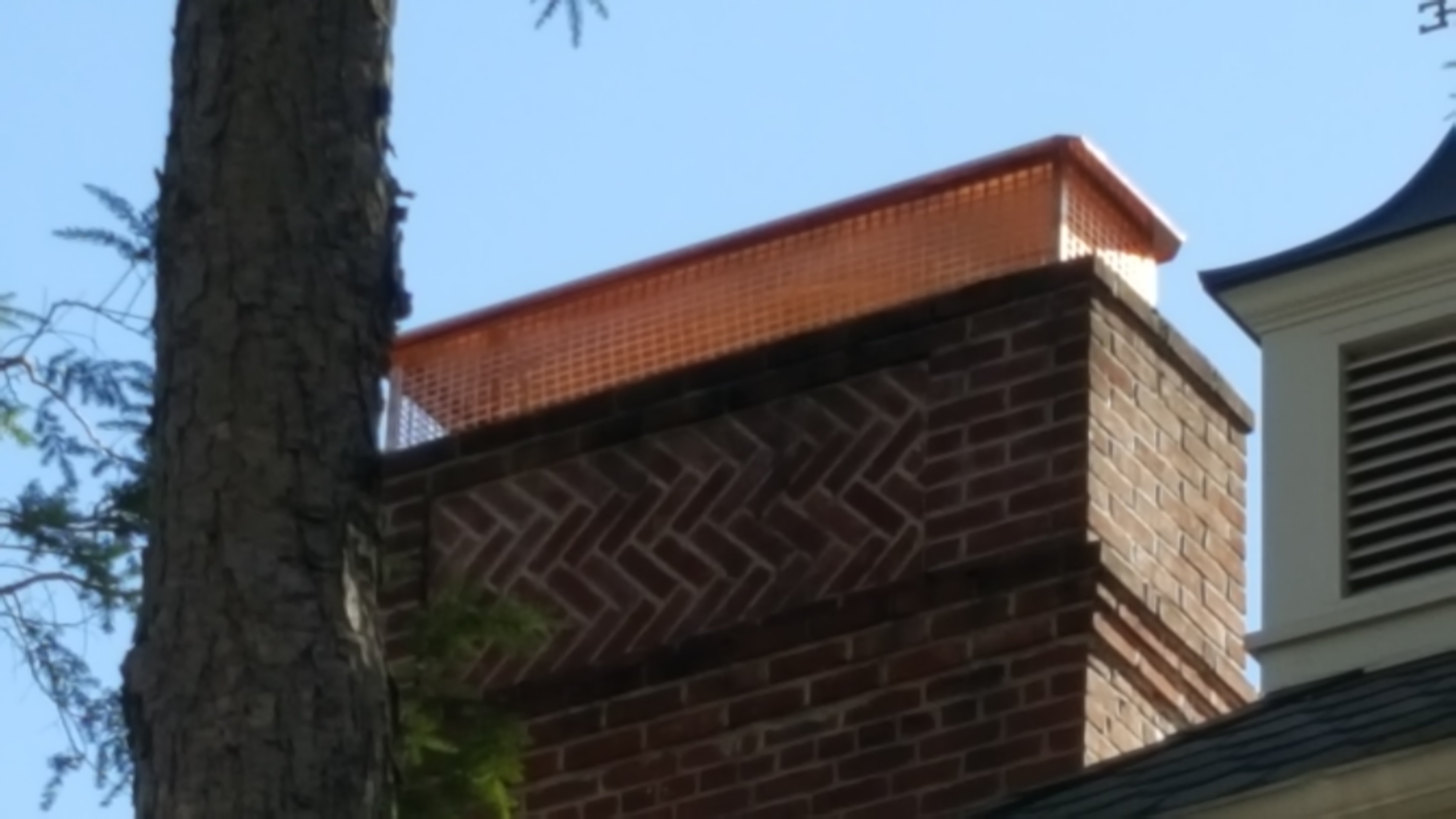
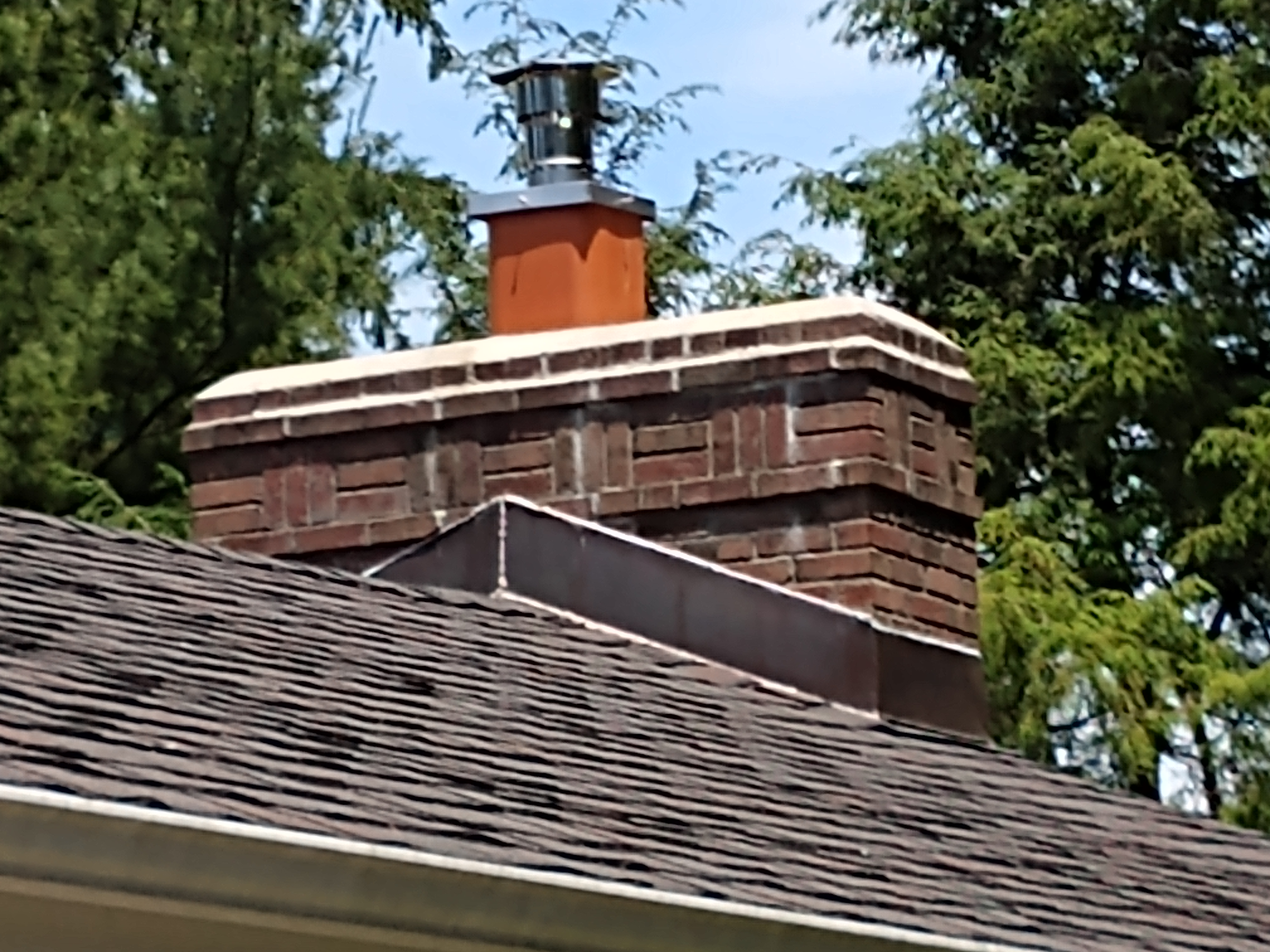
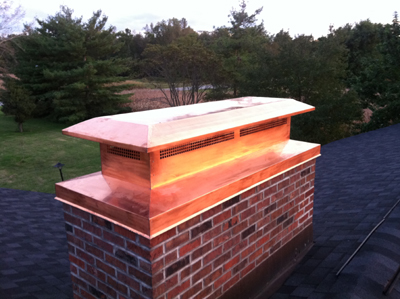
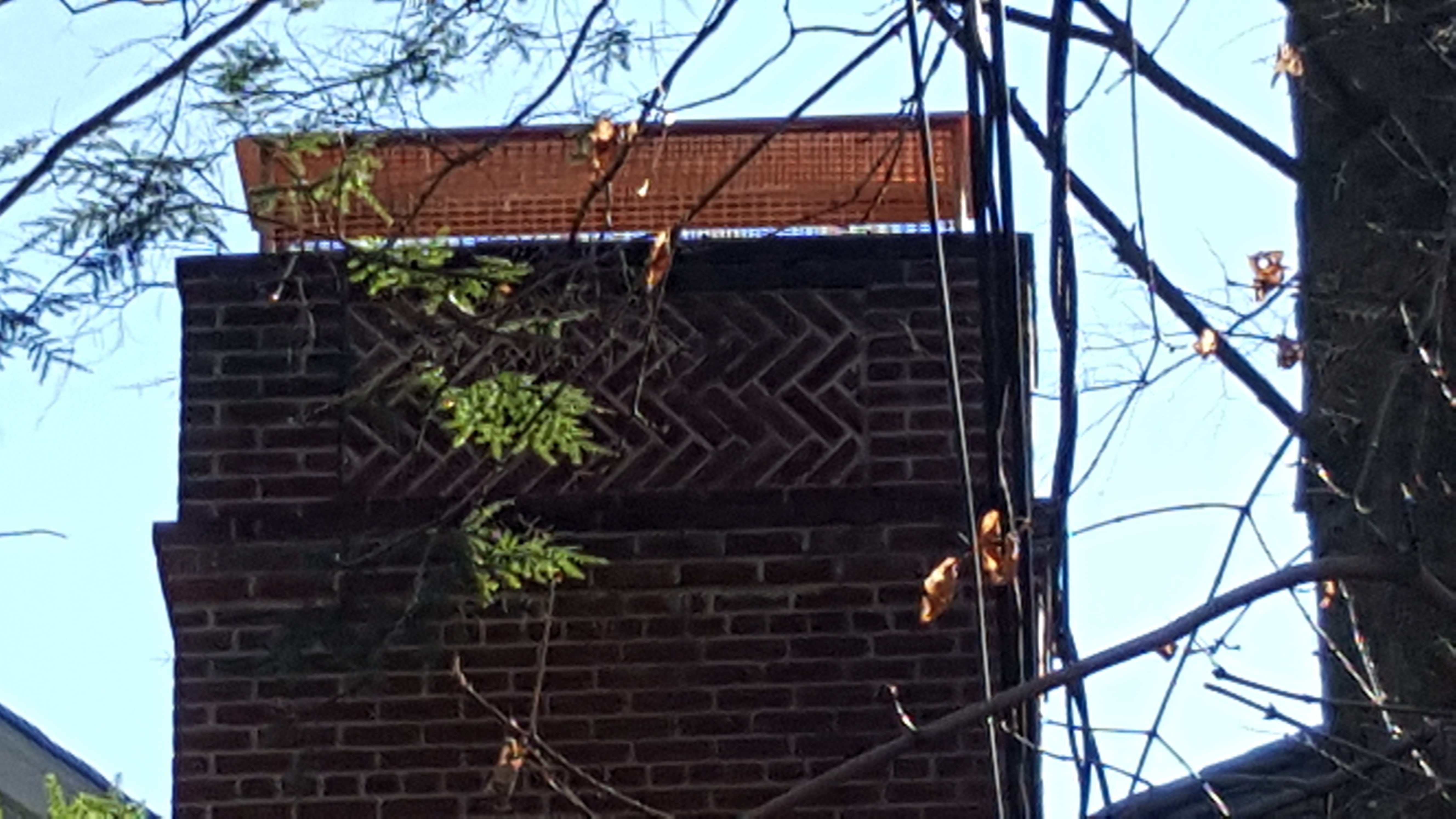
The chimney cap sitting atop your flue is far more than a decorative finishing touch. For homeowners in West Babylon, NY, it serves as the first line of defense against the elements and wildlife that threaten your entire chimney system. Water, animals, debris, and wind damage all start at the cap. When it fails or goes missing, the consequences ripple downward through your chimney structure, damaging masonry, damaging flashing, and creating repair costs that dwarf the original cap investment. Douglas Eberling has protected chimneys across Suffolk County, NY for over 2001 years, and we've seen firsthand how a missing or deteriorated cap can undermine a sound chimney in just one harsh season.
Homes in West Babylon face particular weather challenges that make chimney caps essential year-round. Our area on Long Island experiences nor'easters that drive rain sideways into unprotected flues. Winter freeze-thaw cycles force water deeper into mortar joints. Summer storms bring high winds that topple caps or bend them out of shape. The proximity to Long Island Sound and coastal inlets means salt spray accelerates metal corrosion, shortening the lifespan of inferior caps. West Babylon residents who heat with oil often have chimney systems that run infrequently, making them even more vulnerable to water intrusion. Your cap needs to work harder here than in inland areas.
Animal intrusion is one of the most frequent problems we address in West Babylon. Raccoons, squirrels, birds, and bats discover an uncapped chimney and treat it like an open invitation to a warm shelter. Once inside, they nest, leave droppings, and create blockages that prevent your chimney from venting safely. Beyond the obvious hygiene concerns, an animal-filled flue becomes a fire hazard. Debris and nesting materials catch sparks from your fireplace or stove. West Babylon homeowners have called us after hearing scratching sounds in their chimneys at night, only to discover full nests that required expensive removal. A proper chimney cap with 3/8-inch mesh screening excludes animals entirely while maintaining proper airflow.
Water damage from a missing or failed cap develops slowly and silently. Rain enters your flue and trickles down the inside of your chimney structure. Over weeks and months, it saturates the mortar joints between bricks. The moisture weakens the bond and causes mortar to crumble. In winter, that trapped water freezes, expands, and pushes bricks outward. Homeowners in West Babylon often don't realize they have water damage until they see staining on their interior chimney breast or smell odors indicating mold growth inside the walls. By then, the repair costs have escalated far beyond the price of a cap replacement. We've documented cases where water damage from an uncapped chimney required partial chimney rebuilding.
Debris accumulation in an uncapped flue creates multiple hazards simultaneously. Leaves, twigs, and pine needles blow into the opening during fall and winter. Wind-driven rain washes them downward. Dead birds and squirrel carcasses add to the blockage. This material traps moisture against the chimney walls and creates the ideal environment for mold and creosote buildup. When West Babylon residents attempt to use their fireplace on debris-choked chimneys, smoke backs up into their living spaces. Some try to run their furnace, only to find the flue is blocked. We've removed blockages so severe they required complete flue cleaning and chimney inspection to ensure no structural damage occurred.
Wind damage becomes increasingly common as seasonal storms intensify on Long Island. A chimney cap that's not properly secured can be lifted, bent, or torn away entirely. Metal caps corroded by salt air weaken at stress points and fail without warning. Some homeowners discover their caps missing only after heavy rain enters the flue. Homes in West Babylon with older chimney installations sometimes have caps that were never secured properly in the first place. We inspect caps to identify bending, rusting, loose fasteners, and separation from the chimney crown. Early replacement prevents the emergency water damage calls that follow storms.
We serve the full West Babylon area as a Long Island-based chimney company. Many of our West Babylon customers have been with us for ten or more years, scheduling their annual chimney cleaning each fall before the heating season begins — a tradition we are proud to be part of.
The seasonal pattern on Long Island makes spring and fall the most critical times for chimney cap assessment. Winter's freeze-thaw damage becomes apparent as snow melts in early spring. Homeowners should have their caps inspected before the heavy rains return. Fall storms can tear away caps that survived summer. After major nor'easters or hurricane-force winds, West Babylon residents should check their chimneys for damage. However, caps fail during all seasons. An oil-heated home in West Babylon might go months without using its chimney, allowing water damage to accumulate unnoticed. Regular visual inspections catch problems early.
If you've noticed missing flashing around your chimney, seen water stains near your chimney breast, or detected animal activity in your flue, you need a professional evaluation. DME Maintenance serves West Babylon, NY and the surrounding Suffolk County, NY area with expert chimney cap replacement and repair. DME Maintenance brings 2001 years of experience identifying what type of cap your chimney needs and installing it correctly. We use high-quality materials that withstand our coastal climate. Don't wait for the next storm or the next signs of animal intrusion. Call us today at 631-316-0622 to schedule your chimney inspection and protect your home.