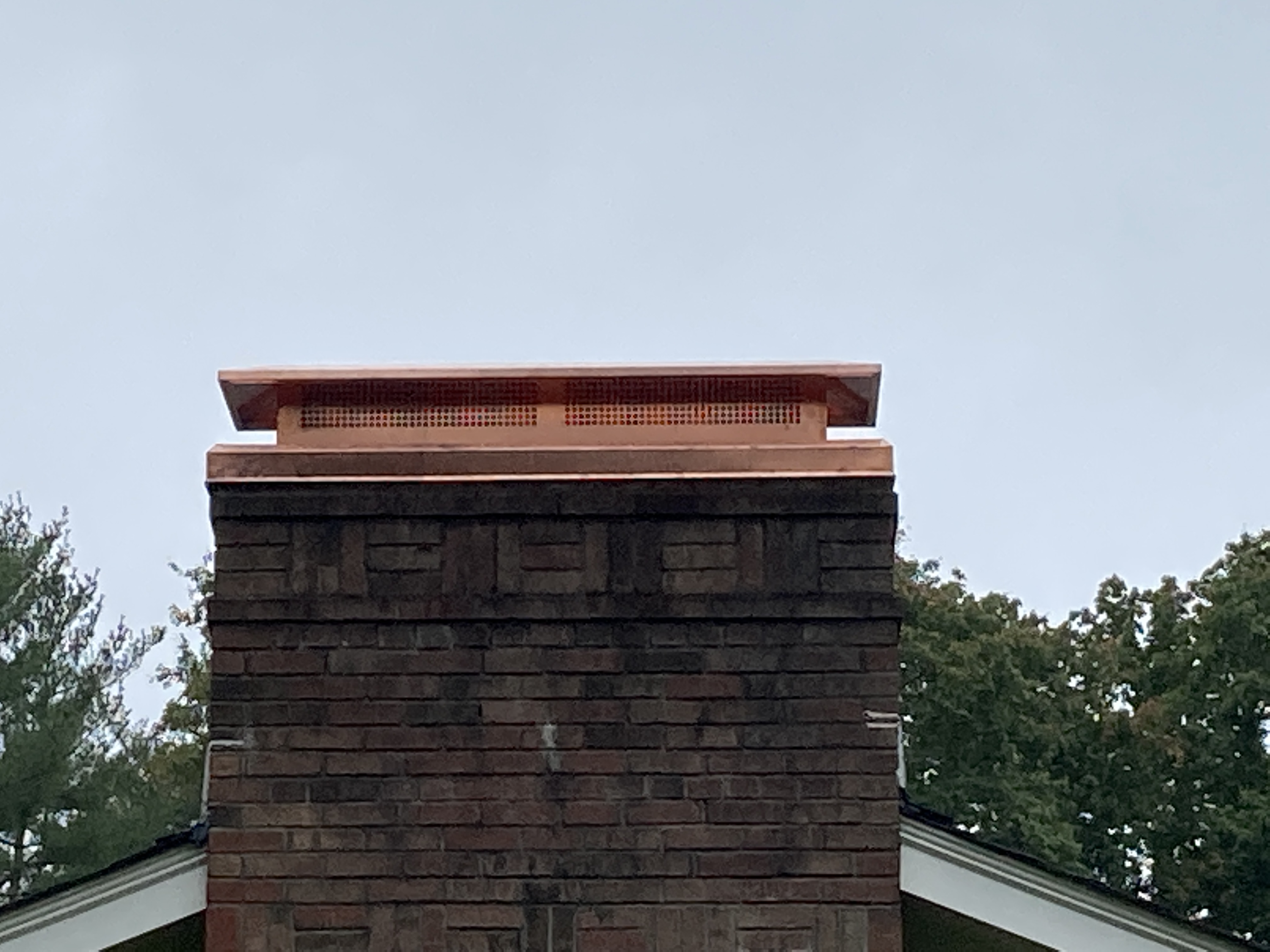
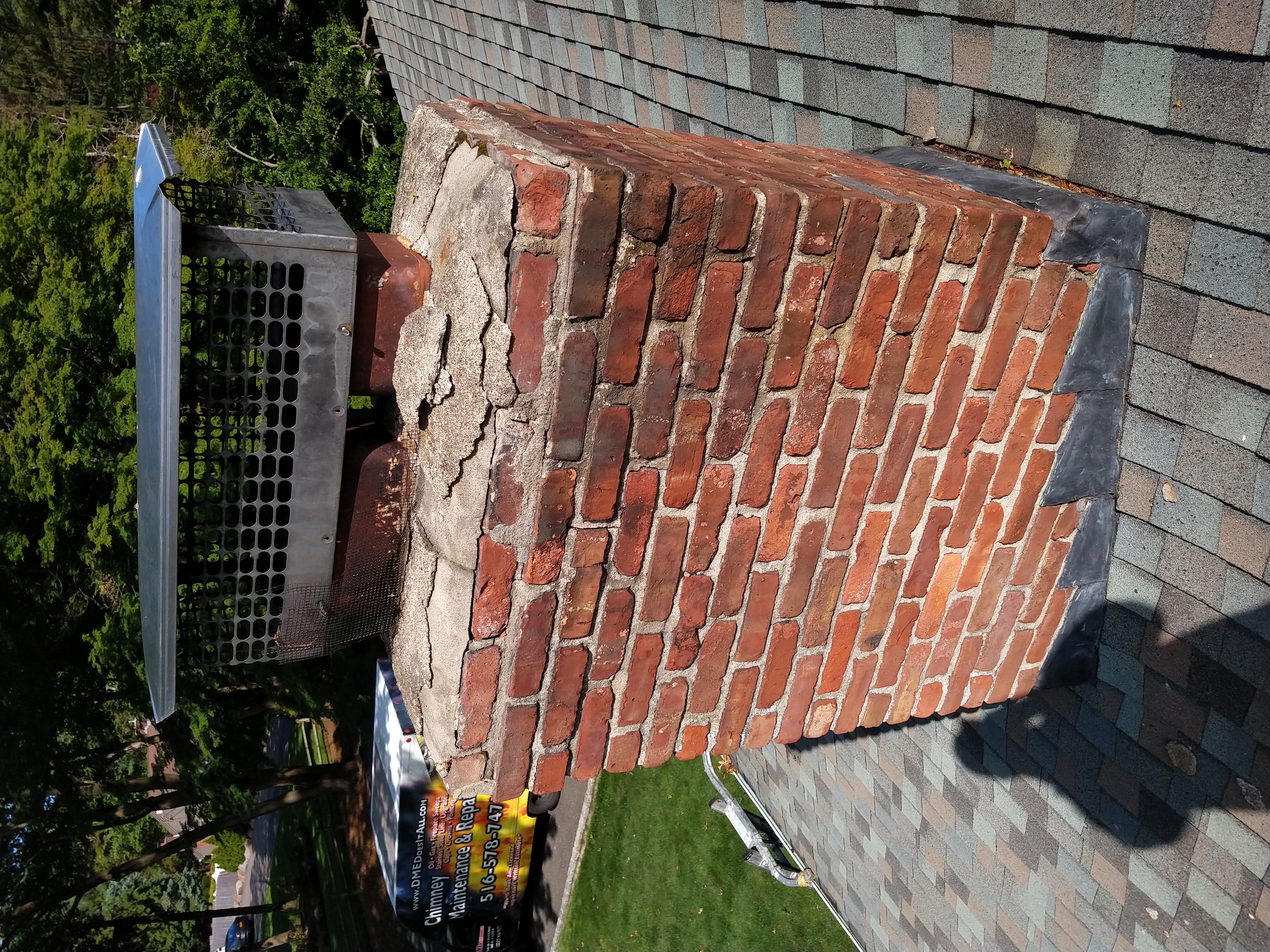
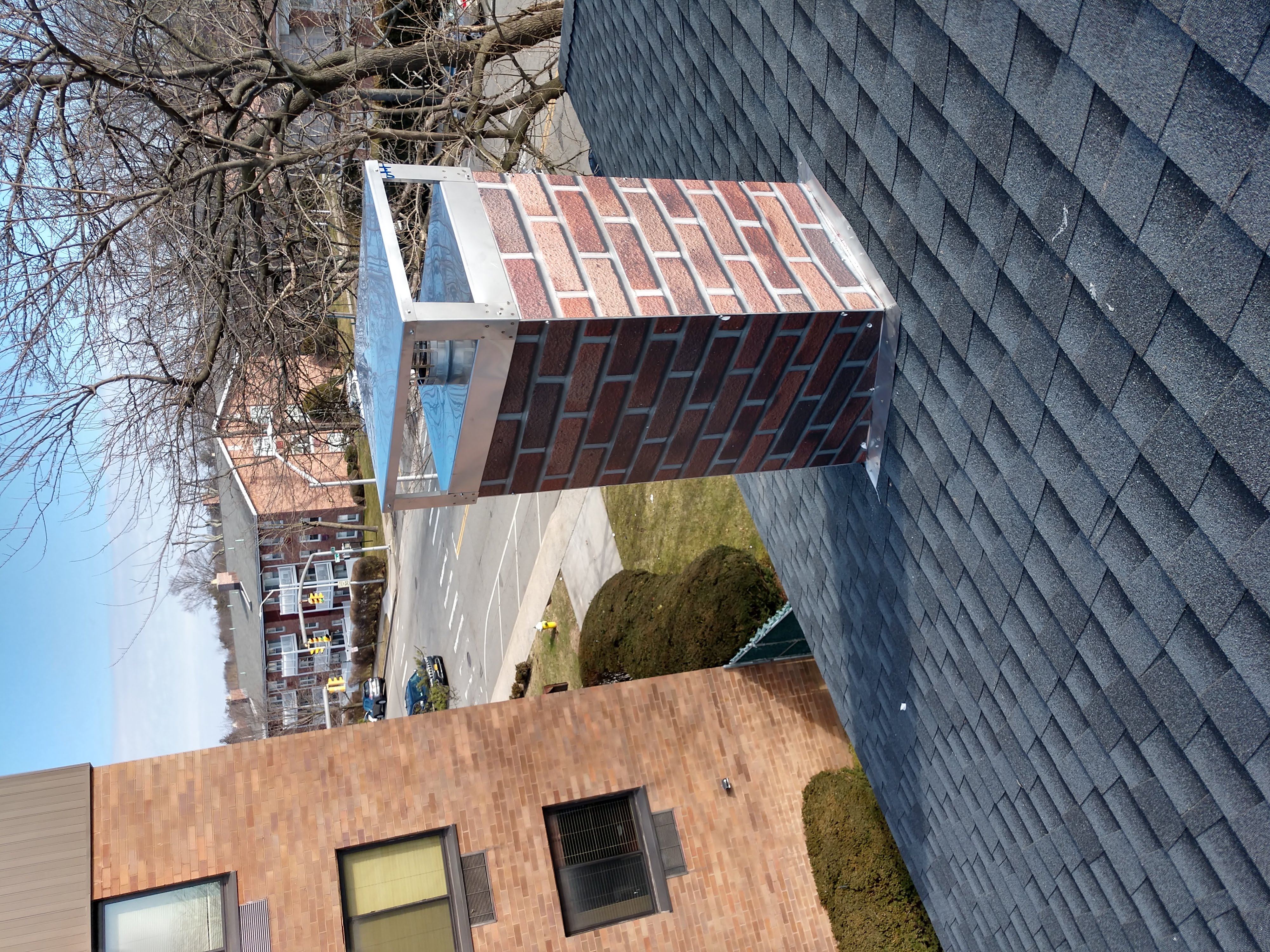
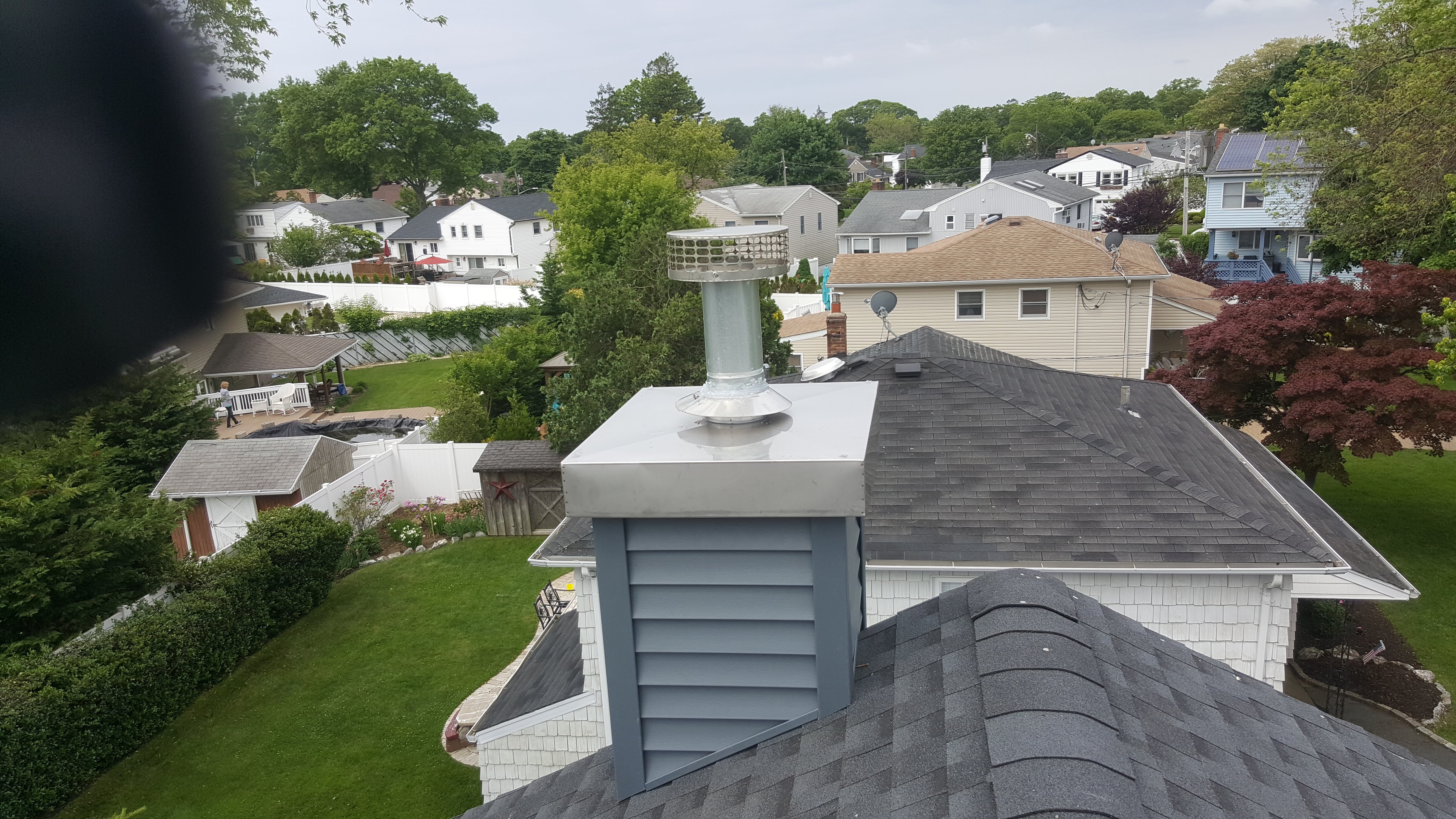
The chimney crown sits at the top of your chimney stack, and it bears the full force of West Babylon's seasonal weather year-round. This concrete or mortar cap slopes downward and outward, directing rainwater away from the flue opening and toward the chimney's outer edges. When it functions properly, homeowners in West Babylon rarely think about it. When it fails, water infiltration begins almost immediately, triggering damage that spreads downward through the entire chimney structure. The crown is not optional. It's the barrier that stands between dry masonry and costly water damage inside your home.
Homes on Long Island experience significant seasonal challenges that make chimney crown maintenance important. Winter brings heavy precipitation mixed with freeze-thaw cycles that weaken masonry and mortar. Spring rains add moisture stress when the soil around your foundation is already saturated. Summer heat and humidity accelerate deterioration of concrete crowns. Fall winds can drive rain sideways into any crack or gap. West Babylon homeowners who prepare their chimneys before the rainy season and winter weather patterns arrive protect themselves from emergency repairs later. A proactive inspection now prevents costly restoration work in January or February.
Cracks in the chimney crown develop for predictable reasons. Concrete crowns shrink as they cure and age. Temperature swings cause expansion and contraction. Poor installation without proper slope allows standing water that freezes and expands. On Long Island, where humidity and salt air create additional environmental stress, crowns deteriorate faster than in drier regions. The hairline crack you notice in fall becomes a half-inch gap by spring. That gap admits water into the flue, damaging the clay tile, the brick and mortar joints, and eventually the interior walls of your home. Addressing cracks early stops this cascade of damage before it starts.
Water entry through a damaged crown follows a predictable path downward. Moisture seeps past the cracked concrete and into the brick joints. It wicks down through the chimney masonry, appearing as damp spots on your interior walls near the chimney breast. It pools at the flue tile base, saturating the interior of your fireplace or stove opening. In homes with oil heat on Long Island, this moisture can also corrode metal chimney components and damage the damper mechanism. West Babylon homeowners often don't see the problem until staining appears indoors or they notice a musty odor. By that point, damage has already progressed well beyond the crown itself.
A sound chimney crown is your home's first line of defense against water penetration. The slope of the crown matters significantly. Water must shed quickly to the edges, not pool in the center. The overhang beyond the chimney face is equally important, preventing water from running down the exterior and seeping into the masonry joints below the crown. Many crowns built decades ago lack proper overhang or slope. These deficient crowns invite water problems even when they appear structurally intact. In West Babylon homes with older construction, crown repair often reveals that the original installation fell short of best practices developed over the past two decades.
DME Maintenance has served West Babylon and the surrounding Suffolk County, NY area since 2001. Douglas Eberling's team inspects crowns for signs of deterioration before they become problems. We look beyond visible cracks, checking slope, mortar integrity, flue tile condition, and whether the crown extends far enough beyond the chimney face. We assess whether repair is sufficient or whether full reconstruction is necessary. Some crowns need partial patching. Others require complete removal and rebuilding with proper slope and overhang. Your specific situation determines the right solution. West Babylon homeowners benefit from honest assessment rather than unnecessary work or inadequate repair.
The timing of crown work matters. Late summer and early fall represent the optimal window before the rainy season intensifies. Winter work becomes difficult and dangerous due to weather and ice. Spring and summer arrival of warm, dry weather allows mortar and concrete to cure properly. Working before winter also means you're not scrambling for emergency service when water damage appears during storms. Homeowners in West Babylon who schedule crown work in September or October finish before the season's heavy precipitation arrives. That simple timing decision prevents water from entering your chimney system when weather is at its worst.
Water damage from crown failure extends beyond the chimney itself. Moisture wicking into surrounding brick or stone can freeze inside pores and cracks. Freeze-thaw cycles pop bricks and degrade mortar. The structural integrity of the entire chimney wall can weaken. In homes on Long Island with attached chimneys, water can migrate into wall cavities and cause problems in adjacent interior spaces. Insurance often does not cover chimney damage from lack of maintenance, meaning repair costs fall entirely on you. West Babylon homeowners protect their investment by maintaining the crown as the preventive barrier it's designed to be.
Professional inspection reveals problems that casual observation misses. A crack that appears minor from the ground might extend deeper than visible. Mortar joints might be failing even though the concrete surface looks solid. The flue tile might be damaged at the base, compromised by years of water contact. Efflorescence, the white powdery residue on masonry, signals water movement through the structure. DME Maintenance uses experience built from two decades of service to identify these hidden failures. We photograph findings and explain what we see. West Babylon homeowners then understand exactly why work is needed and what happens if it's delayed.
The cost of addressing crown problems early is far less than handling water damage after it progresses. A cracked crown repaired this fall prevents water staining on ceilings and walls this winter. It protects the clay flue tile from absorbing moisture that leads to flaking and deterioration. It prevents ice damming inside the chimney when temperatures drop. It keeps your fireplace or wood stove usable and safe. For homes on Long Island where heating systems rely on chimneys and venting, a compromised crown directly affects home comfort and safety. In West Babylon, this means addressing crown issues before the season's worst weather arrives.
We serve the full West Babylon area as a Long Island-based chimney company. Many of our West Babylon customers have been with us for ten or more years, scheduling their annual chimney cleaning each fall before the heating season begins — a tradition we are proud to be part of.
Homeowners in West Babylon often discover crown problems during routine chimney inspections for cleaning or repairs. You might be scheduling a pre-winter fireplace check and learn that the crown shows cracking. That's the right moment to plan the repair rather than ignoring it. Once you know a problem exists, ignoring it transforms a manageable maintenance task into a potential emergency. Winter storms bring heavy rain and snow. Wind-driven rain exploits every crack. Freezing temperatures expand water inside your masonry. A deteriorated crown becomes a liability rather than a protection. West Babylon residents who act on inspection findings avoid these scenarios entirely.
Call DME Maintenance at 631-316-0622 to schedule a crown inspection before winter and the rainy season arrive. DME Maintenance serves West Babylon and Suffolk County, NY with the experience that comes from serving this community since 2001. We'll assess your chimney crown's condition and explain your options clearly. Don't wait for water staining to appear inside your home or for emergency repairs to become necessary. The optimal time to address crown problems is now, before heavy weather tests your chimney's defenses. Contact us today at 631-316-0622 and protect your home from water damage this season.